Even better than you imagined.
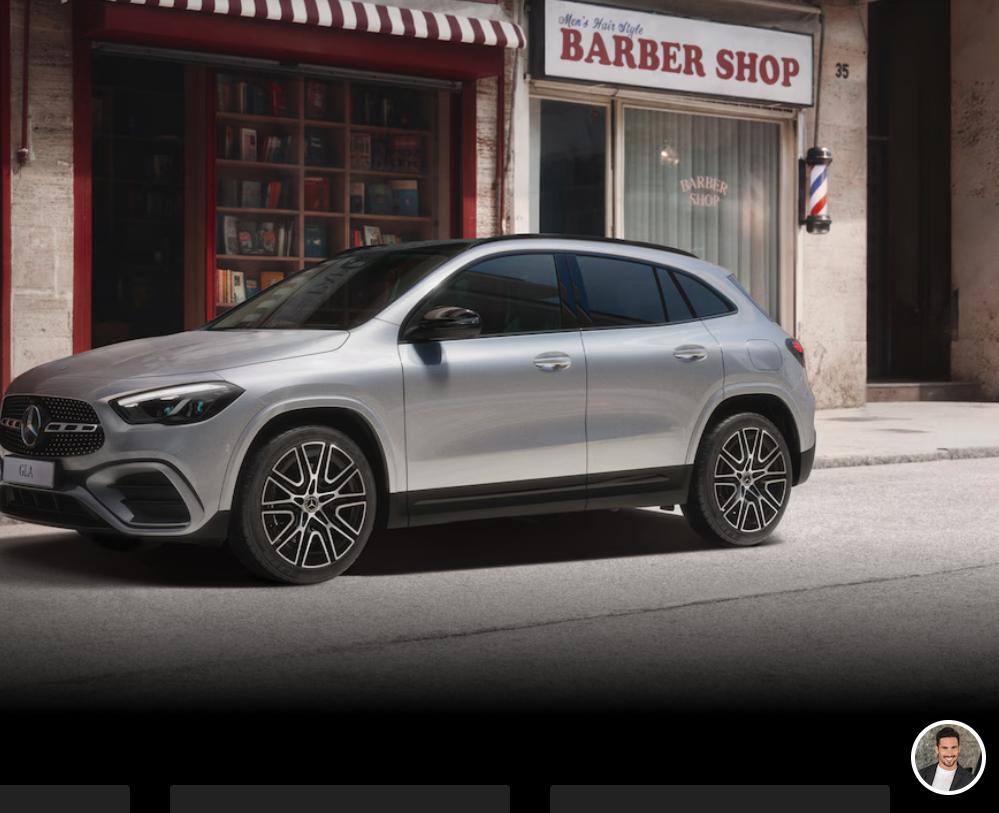
Experience the GLA 200 Special Edition for $65,490 driveaway and discover exceptional savings across select new and demonstrator models.
Explore GLA 200 Special Edition
City Driving in Australia: Hatch vs Sedan vs Compact SUV
Quick answer: For city driving, a hatch such as the Mercedes-Benz A-Class offers the easiest parking and manoeuvring, a small sedan suits drivers who want a separate boot and more rear-seat comfort, and a compact SUV like the Mercedes-Benz GLA or EQA suits drivers who value a higher seating position, easier entry and extra cargo versatility. The right body style depends on your parking situation, passenger needs and daily driving pattern.
Choosing between a hatch, a small sedan or a compact SUV is really about how you live in the city. Tight parking, short trips, stop-start traffic and the daily shuffle of shopping bags, prams or work gear all ask different things of a car.
For many Australian drivers, the sweet spot is the one that makes every small task easier without getting in the way the rest of the time. That is where body style matters. A hatch can feel neatly at home in tight streets. A small sedan can make more sense if you want a proper boot and rear-seat comfort. A compact SUV suits drivers who like a higher seat and easier access.
If you are looking at Mercedes-Benz Australia options, the Mercedes-Benz A-Class hatchback is the relevant city-minded hatchback in the current range. The Mercedes-Benz GLA compact SUV and Mercedes-Benz EQA electric compact SUV show how a compact SUV shape can change the feel of urban driving. Final specification should always be confirmed with a Mercedes-Benz retailer.
Why a Hatch Often Suits the City Best
For most city dwellers, a hatch is the most balanced choice. The compact shape makes it easier to thread through narrow streets and squeeze into crowded car parks. It also tends to be easier to manoeuvre than longer body styles.
A hatch also gives you practical flexibility. The rear opening and fold-down seats make it simple to load awkward items, even when you do not have much room to spare. That matters in the city, where space is usually the real luxury.
On the Mercedes-Benz side, the A-Class is described as a sporty hatchback design and is a petrol model in the supplied product information. That makes it a natural fit for buyers who want a compact, premium entry point without moving up to something bulkier. For city use, that shape can be the point.
What a hatch is best at: easy parking, tighter manoeuvring, compact dimensions and flexible loading.
What to check before you buy: boot shape, rear-seat room and whether the model’s equipment suits your day-to-day needs.
When a Small Sedan Makes More Sense
A small sedan can be the better answer if your priority is a proper enclosed boot and more rear-seat comfort. In the examples reviewed, the sedan body style gives up some manoeuvrability but gains a separate luggage compartment that is useful for groceries, work bags and luggage you would rather keep out of sight.
That enclosed boot can also make a sedan feel a little more organised in daily use. If you often carry passengers in the back, the additional rear-seat comfort can matter more than the last bit of parking convenience.
The trade-off is length. A small sedan is usually the longest of the three body styles here, which can make tight garages and parallel parking less convenient than a hatch.
What a sedan is best at: boot space, rear-seat comfort and keeping luggage separate from the cabin.
What to check before you buy: overall length, reversing confidence and whether the boot opening suits the items you carry most often.
Where a Compact SUV Earns Its Keep
A compact SUV is usually the right choice when visibility, access and versatility matter more than absolute compactness. The higher seating position can make the car feel easier to get in and out of, and many drivers like the clearer view of the road.
That extra height can also be useful for prams, shopping and bulkier everyday cargo. In city life, those are often the things that decide whether a car feels convenient or merely acceptable.
The important caveat is simple. A compact SUV is not automatically easier to park just because it sits higher. The actual dimensions matter, and so does the equipment fitted to the car. In petrol form, compact SUVs can also be costlier to run than a hatch, although hybrid versions can narrow that gap.
In Mercedes-Benz Australia terms, both the GLA and EQA give you a compact SUV shape, while the EQA adds an electric option in the line-up. Whether that is the right answer for you depends on your driving pattern, access to charging and how you use the car.
What a compact SUV is best at: higher seating, easier entry, outward visibility and cargo versatility.
What to check before you buy: width, height, parking access at home and whether the powertrain fits your daily routine.
Running Costs, Fuel Use and the City Commute
City driving can be hard on fuel use because of short trips and stop-start traffic. That is why body style is only part of the story. The engine or powertrain matters just as much.
Regular hybrids are especially well suited to city use because they recover energy during braking and do not need charging equipment. Hybrid compact SUVs can also get closer to hatchback-style efficiency than many petrol-only versions. Petrol figures vary widely, so it is best not to assume one shape always means one running cost.
For ownership budgeting, it is also worth looking beyond fuel alone. Purchase price, finance, depreciation, servicing, tyres, insurance and registration all play a part. For some buyers, the lower-use costs of a hatch will make sense. For others, the added practicality of a sedan or compact SUV is worth the difference.
If you are comparing city-friendly Mercedes-Benz models, use the model pages and inventory search to check current specification and availability rather than relying on body-style assumptions alone.
Cost factors to compare: fuel or charging, servicing, tyres, insurance, registration and depreciation.
What to confirm with a retailer: current equipment, drivetrain, availability and any ownership options that suit your budget.
Safety and the Right Way to Compare
Safety should always be judged on the specific model and variant, not on body style alone. A five-star result is not guaranteed by being a hatch, sedan or SUV. Current ratings matter, and older ratings may not reflect the latest testing approach.
When you compare cars for city use, look for the features that help in the situations you actually face. That includes assistance systems that can help with vulnerable road users, low-speed manoeuvring and urban traffic.
The sensible approach is to compare the exact Mercedes-Benz model you are considering, then check its current safety information and equipment level. That is the cleanest way to separate marketing language from real-world fit.
What to compare: current safety rating, assistance systems, parking technology and model-specific equipment.
What not to assume: that a taller car is always safer or that a smaller car always means fewer safety features.
A Simple Way to Choose Your Fit
If your city life is mostly about parking, tight turns and easy day-to-day use, a hatch is the most balanced answer.
If you want a more traditional boot and better rear-seat comfort, a small sedan may suit you better.
If you value a higher driving position, easier access and more versatile cargo space, a compact SUV is the more natural fit.
For Mercedes-Benz Australia shoppers, that often means starting with the A-Class if you want the most city-friendly hatch shape, then comparing the GLA and EQA if a compact SUV better matches your routine. The right choice is the one that fits your streets, your parking space and the way you actually drive.
Frequently Asked Questions
- Is a hatch or a compact SUV better for city driving? A hatch, such as the A-Class , generally suits tight parking and narrow streets best, while a compact SUV, such as the GLA , suits drivers who want a higher seating position and more cargo versatility.
- Is a sedan or a hatch better for boot space? A small sedan usually offers a separate, enclosed boot that keeps luggage out of sight, while a hatch trades some boot separation for a more compact overall length and easier parking.
- Are compact SUVs more expensive to run than hatchbacks? In petrol form, compact SUVs can be costlier to run than a hatch, though hybrid versions can narrow that gap. Checking the specific EQA or GLA powertrain against your driving pattern is the best way to estimate real running costs.
- Which Mercedes-Benz model is best for city driving in Australia? The A-Class hatchback is the most city-friendly shape for tight parking and manoeuvring, while the GLA and EQA compact SUVs suit drivers who prioritise a higher seating position and cargo versatility. You can search current A-Class, GLA and EQA inventory to compare availability and specification.
Find the Right Mercedes-Benz for Your Routine
If you are weighing up these body styles, the best next step is to compare the cars side by side and see which one feels right in person.
Search current Mercedes-Benz A-Class, GLA and EQA inventory in Australia
Features, options, pricing, finance, availability and delivery timing can vary. Please confirm the final specification with a Mercedes-Benz retailer before you decide.